Back to smartelemfg Home
Contact us Merchants settle in
Back to smartelemfg Home
Home -Technical

Difference Between Overcurrent Protection and Overload Protection

Source: Maxwell He 2025-08-26 15:51:12

1. Definition and Core Objectives of Overcurrent Protection and Overload Protection

          Overcurrent protection refers to mechanisms that quickly cut off power when current exceeds rated values (regardless of duration), targeting short-term, high-intensity faults like short circuits—this is “strong fault protection.” In contrast, overload protection is designed to disconnect power when current remains slightly above rated values for extended periods, preventing damage from continuous heat accumulation due to long-term overloading—this is “weak fault protection.”

2. Trigger Conditions of Overcurrent Protection and Overload Protection

          Overcurrent protection activates at currents far exceeding rated values (e.g., several to dozens of times higher) with rapid rising rates, even if the overcurrent lasts only milliseconds. Overload protection, however, triggers at currents marginally above rated values (typically 1.1–1.5 times) but requires sustained duration (minutes to tens of minutes). It accounts for thermal accumulation, avoiding false trips from temporary surges like motor startup currents.

3. Action Characteristics of Overcurrent Protection and Overload Protection

          Overcurrent protection features short action times (milliseconds to seconds) with fixed or inverse-time delay (faster for higher currents). It protects main circuits broadly, acting as a “system-level strong safeguard.” Overload protection has longer action times (minutes to tens of minutes) and strictly follows inverse-time characteristics, prioritizing thermal accumulation. It focuses on long-term loaded equipment, serving as “device-level gentle protection.”

4. Applications of Overcurrent Protection and Overload Protection

          Overcurrent protection is used in scenarios with potential short circuits or severe faults, such as main protection for power lines (e.g., feeder circuit breaker instantaneous tripping), transformer/generator differential protection, and motor short-circuit protection (e.g., circuit breaker instantaneous release). Overload protection applies to long-term overloaded equipment, including motor overcurrent protection (e.g., thermal relay long-term overload action), electric heating devices (e.g., temperature/current-linked protection), and lighting line overload protection (e.g., air conditioner thermal-magnetic trip units).

5. Typical Protection Devices for Overcurrent Protection and Overload Protection

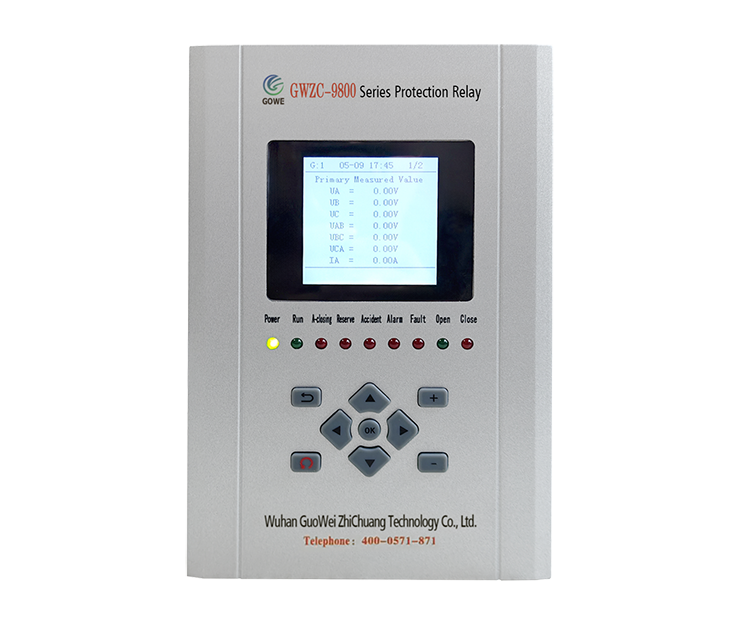
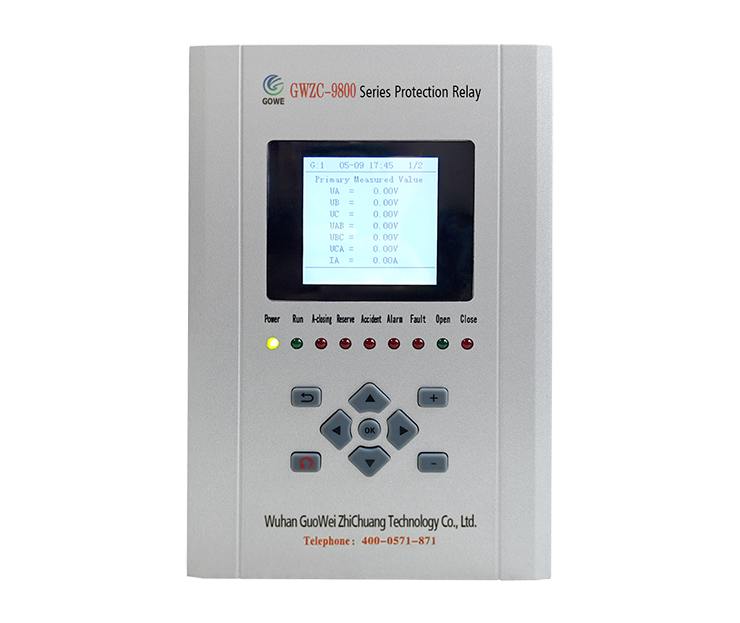
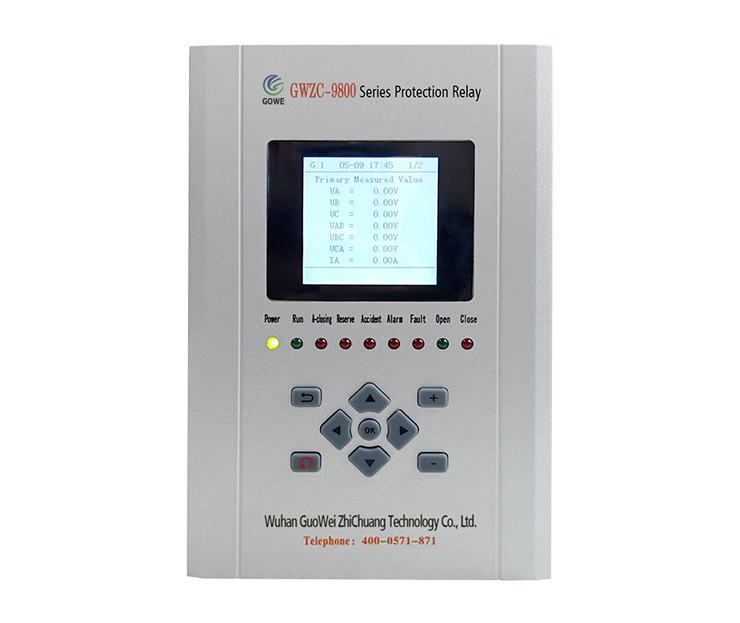
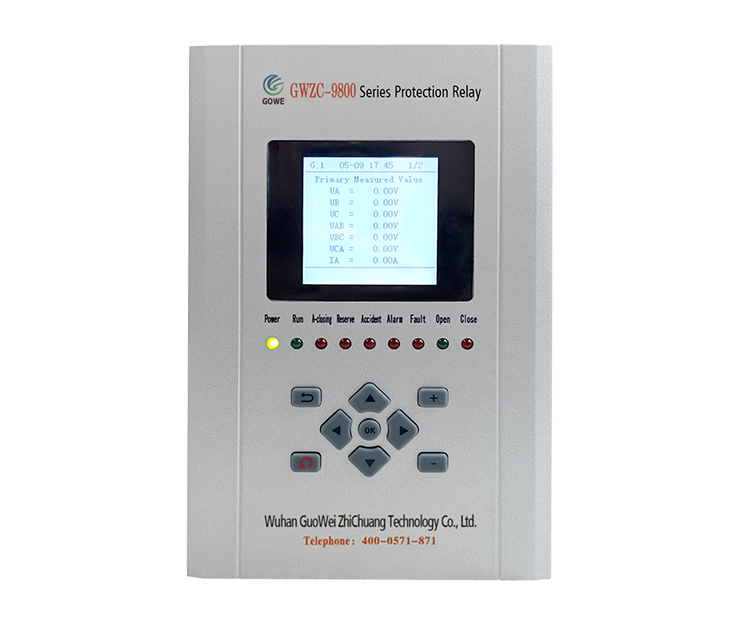
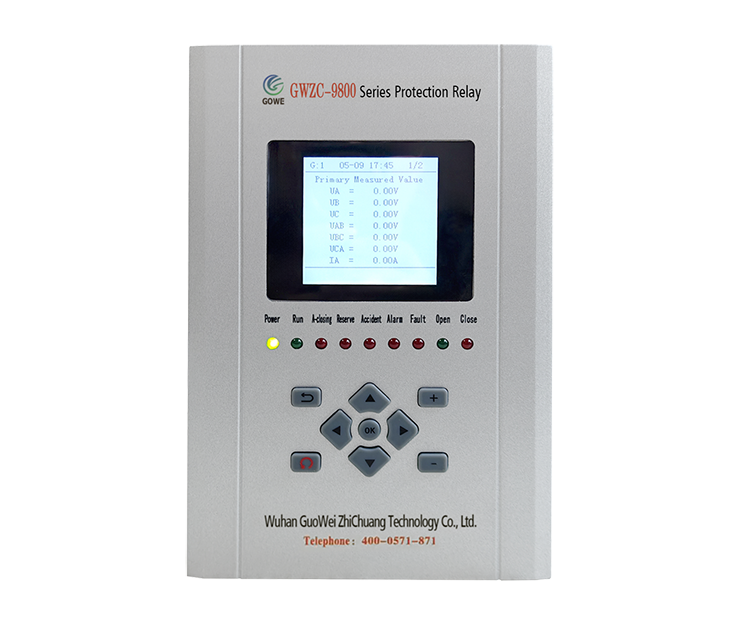
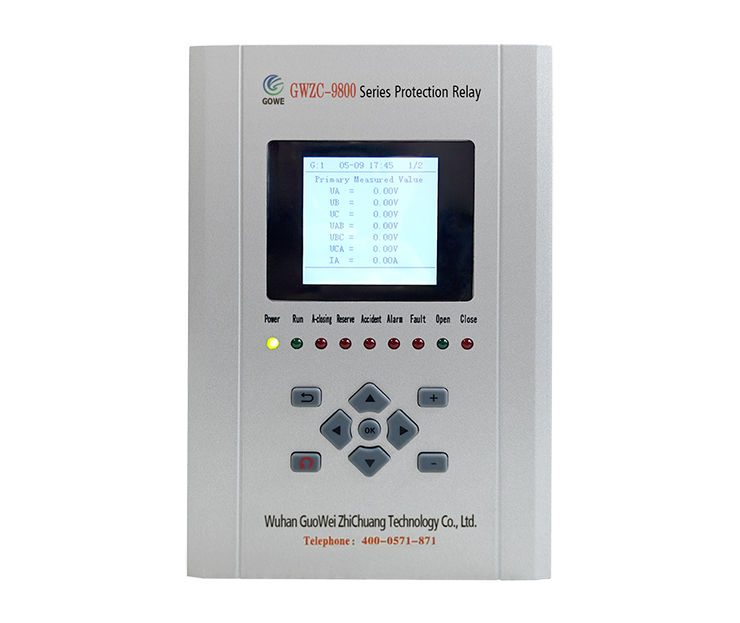
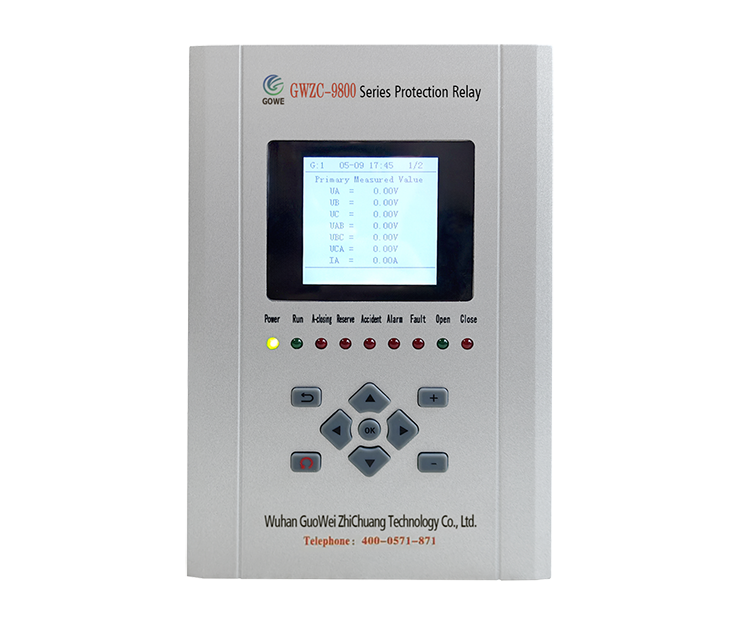
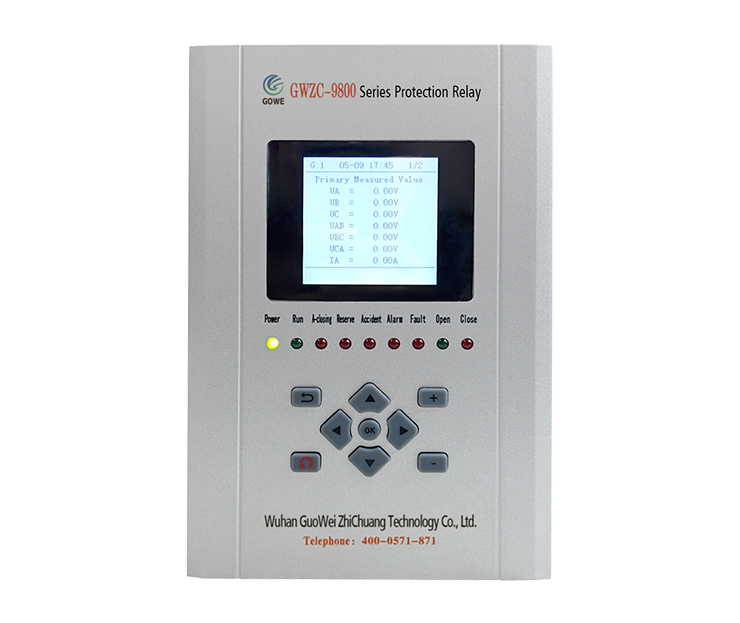
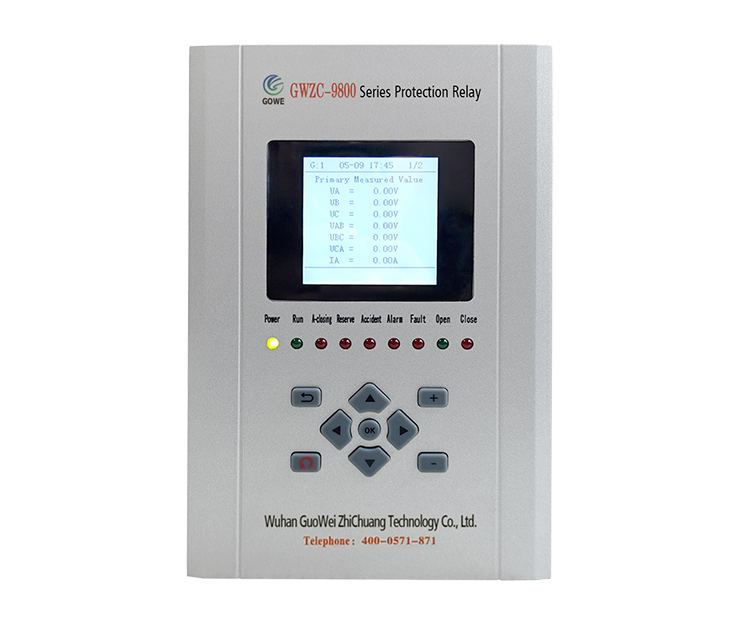
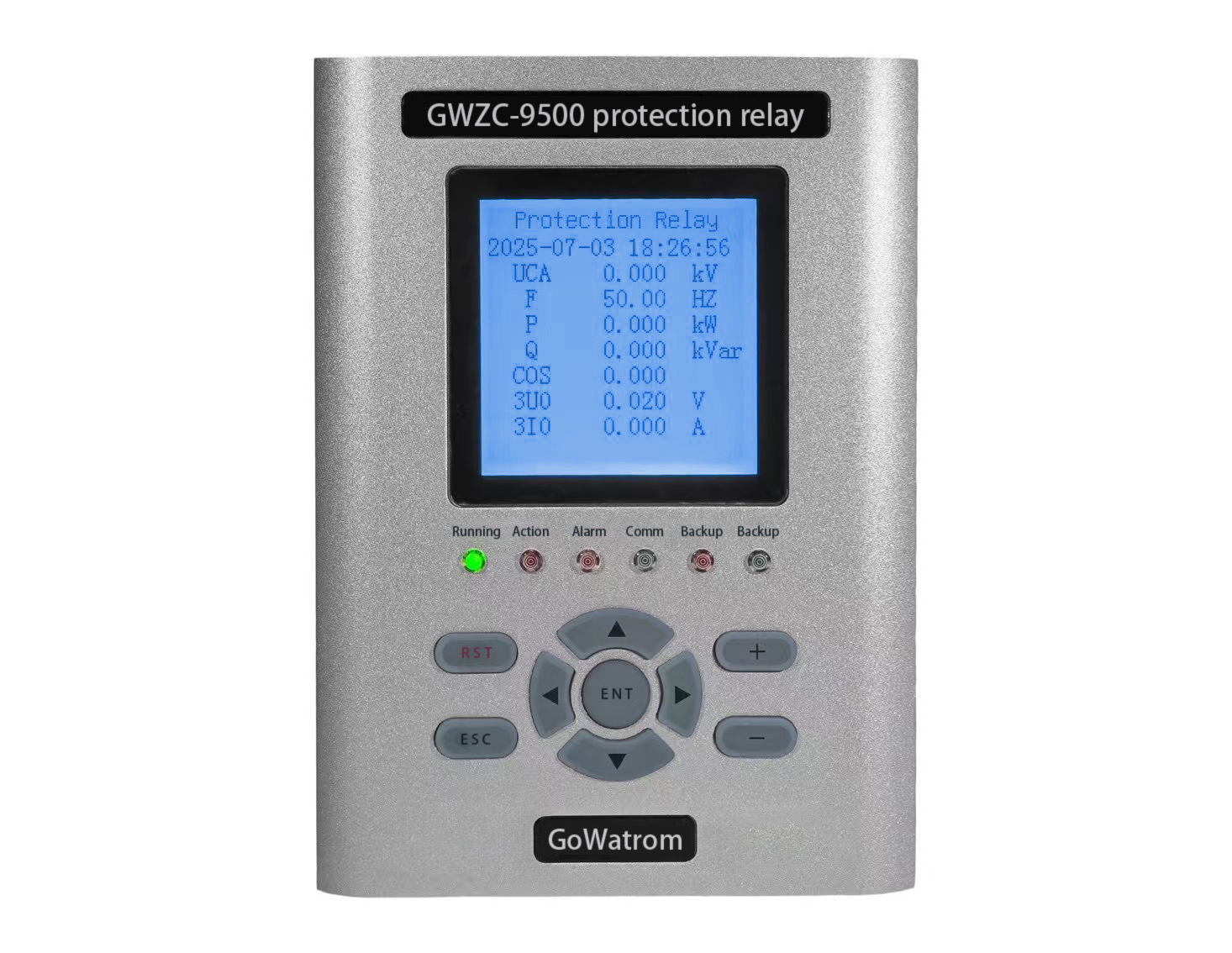
          Overcurrent protection primarily uses electromagnetic trip units (e.g., circuit breaker instantaneous trips) or fuses (fast-melting when current exceeds ratings). Overload protection relies on bimetallic thermal Protection relays (utilizing differential expansion of two metals under heat) or electronic overload Protection relays (calculating thermal accumulation via current sampling).
Product recommendations More
GOWE-9000 Wireless Temperature Monitoring System for Substations
detail
GWZC-9000 Integrated Automation System for Photovoltaic Power Plants
detail
GWZC-9506 Cable insulation monitoring device (IMD)​​(ANSI 64)
detail
GWZC-9613 FO Line Diff Relay(87L)
detail
GWZC-9641 Capacitor protection relay
detail
Technical More
Directional Comparison Protection
Application of Pilot Directional Comparison Protection in Distribution Automation: Communication Channel and Criterion Design
The technical paper analyzes the working principles of pilot directional protection in distribution automation, detailing communication channel selection and protection logic design. It provides practical implementation guidelines and safety considerations for deploying this advanced protection scheme in modern smart grid applications.
2025/07/23
Definite Time Overcurrent Protection
Function, Operating Principle, and Setting Calculation of Definite Time Overcurrent Protection
I. Purpose of Definite Time Overcurrent Protection         Backup Protection Core Function: Serves as backup for primary protection systems (e.g., differential, distance protection), operating reliably when primary protection fails or circuit breakers malfunction.         Fault Coverage: Clears phase-to-phase short-circuit faults and severe overloads on protected lines and adjacent equipment (e.g., transformers, busbars).         Equipment Security: Prevents thermal stability failure or insulation degradation caused by sustained fault currents.         Selectivity Assurance: Achieves precise fault isolation through graded time coordination, avoiding over-tripping.
2025/07/19
Supervisory Control and Data Acquisition
The Critical Role of Satellite Time Synchronization Devices in Power Station Time Alignment Systems​
Satellite time synchronization devices ensure precise, unified timing across power stations, enabling reliable protection, control, and monitoring in modern smart grids
2025/07/10
Transformer Protection Relay Panel
Renovation Scheme for Unattended Automatic System of Hydropower Station
The core of the transformation of the unattended automation system for hydropower stations is to upgrade the traditional manually attended power station into a modern intelligent power station with "unattended operation and minimal personnel on duty" through computerized monitoring, intelligent sensing, reliable communication and remote centralized control. It realizes remote monitoring, automatic control, fault self-diagnosis and safety early warning, greatly reducing labor costs and improving operational efficiency and safety. Among them, the secondary electrical system, as the "nervous system, brain and safety line of defense" of the power station, is the core support for the unattended transformation. Without a reliable secondary system, true unattended operation cannot be achieved. Therefore, this integration will focus on improving the detailed content of secondary electrical equipment while retaining the full process details of the transformation.
2026/04/21
Inquiry Consultation
+86-17621210051
+86-17621210051
+86-17621210051
+86-17621210051
home product email
live chat
my