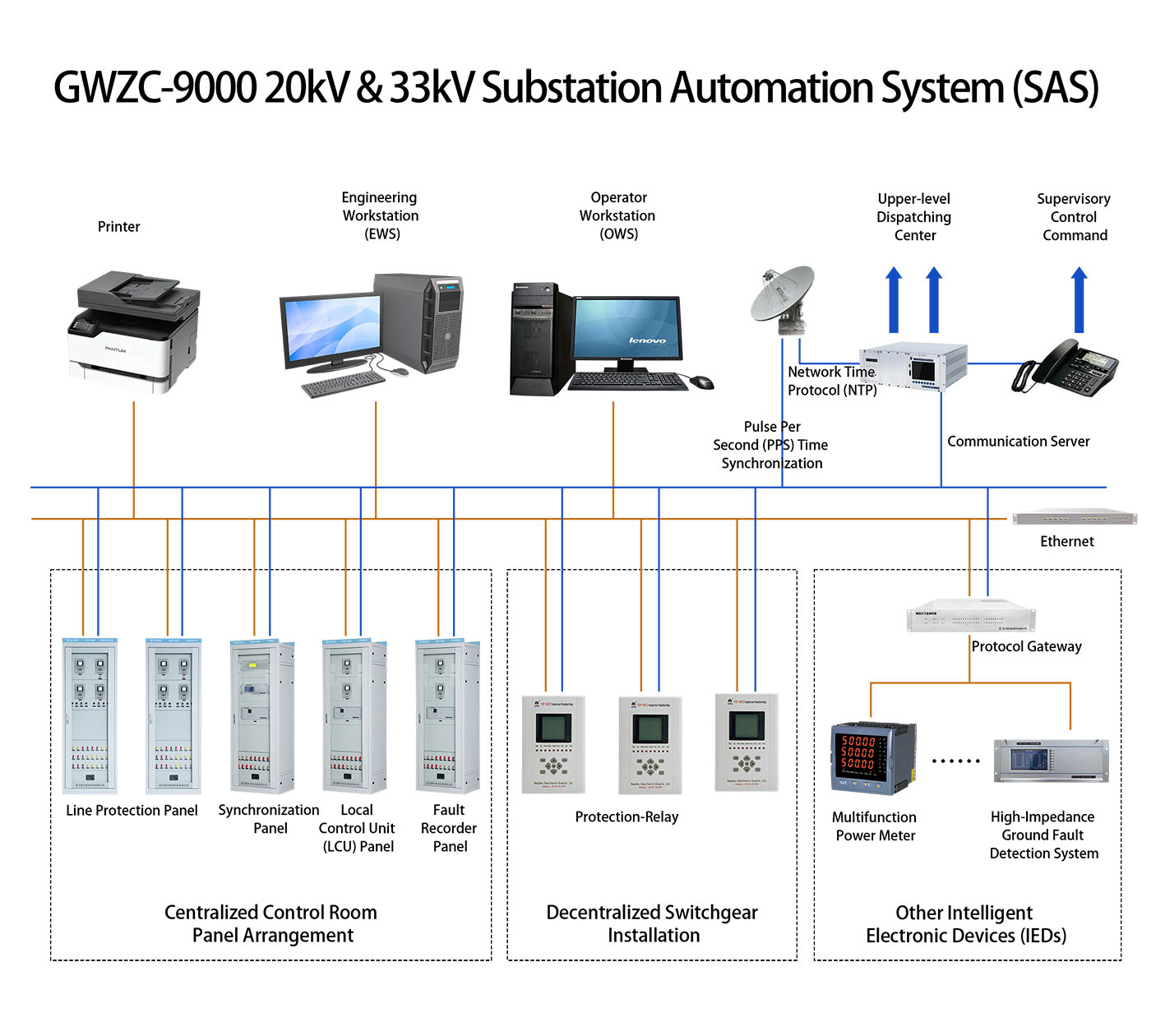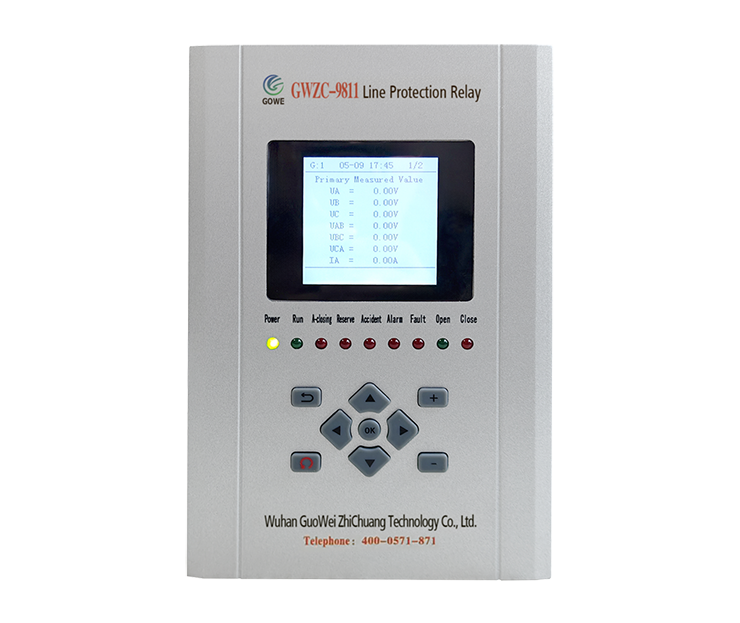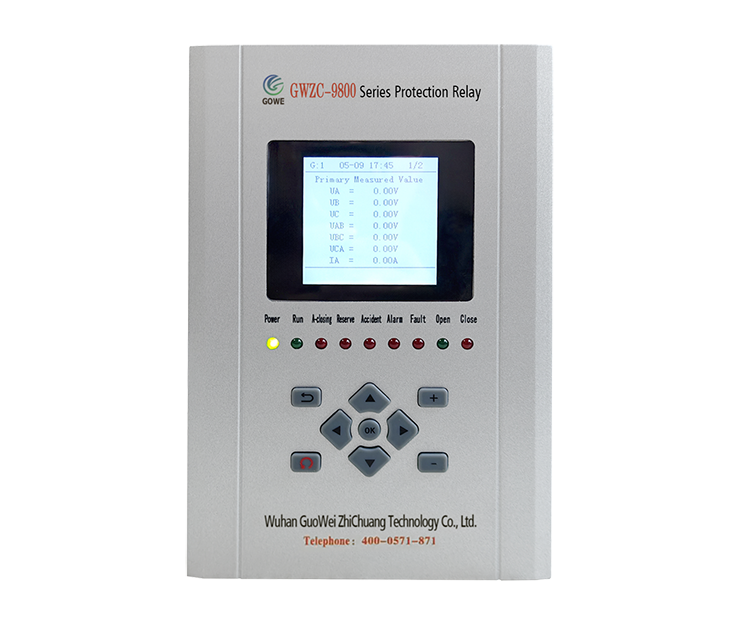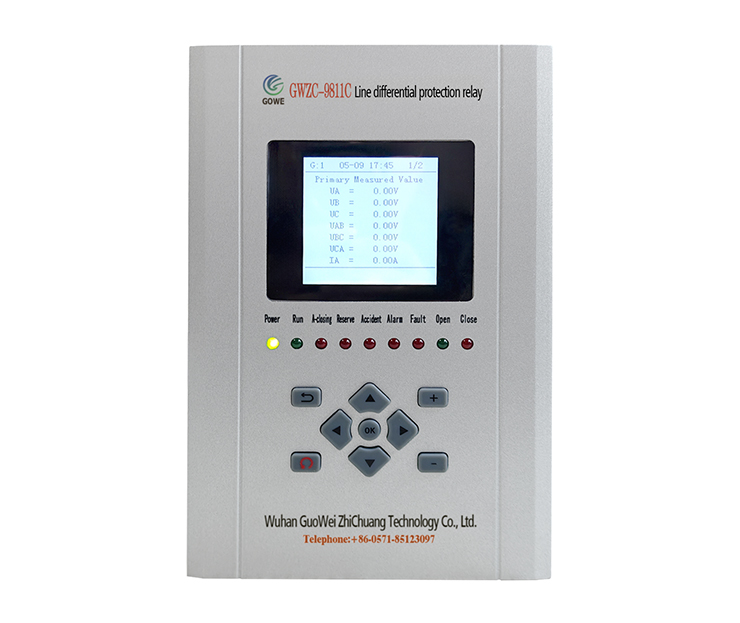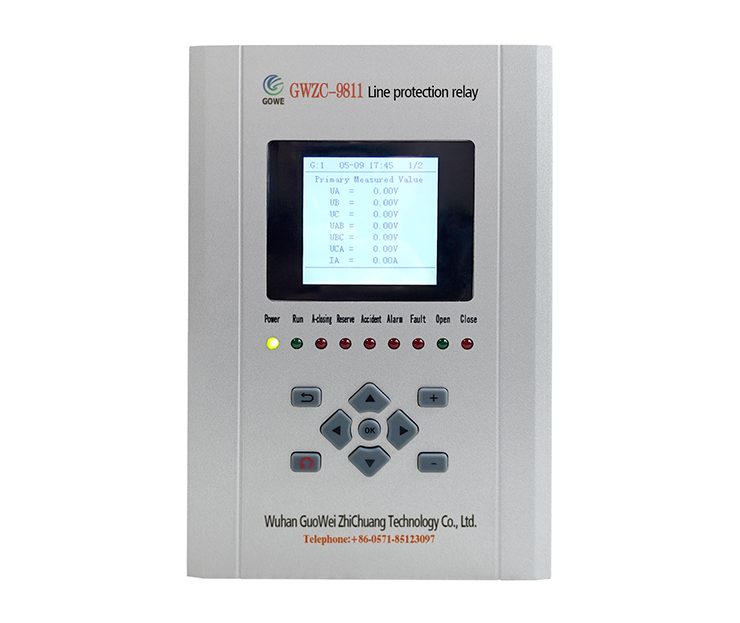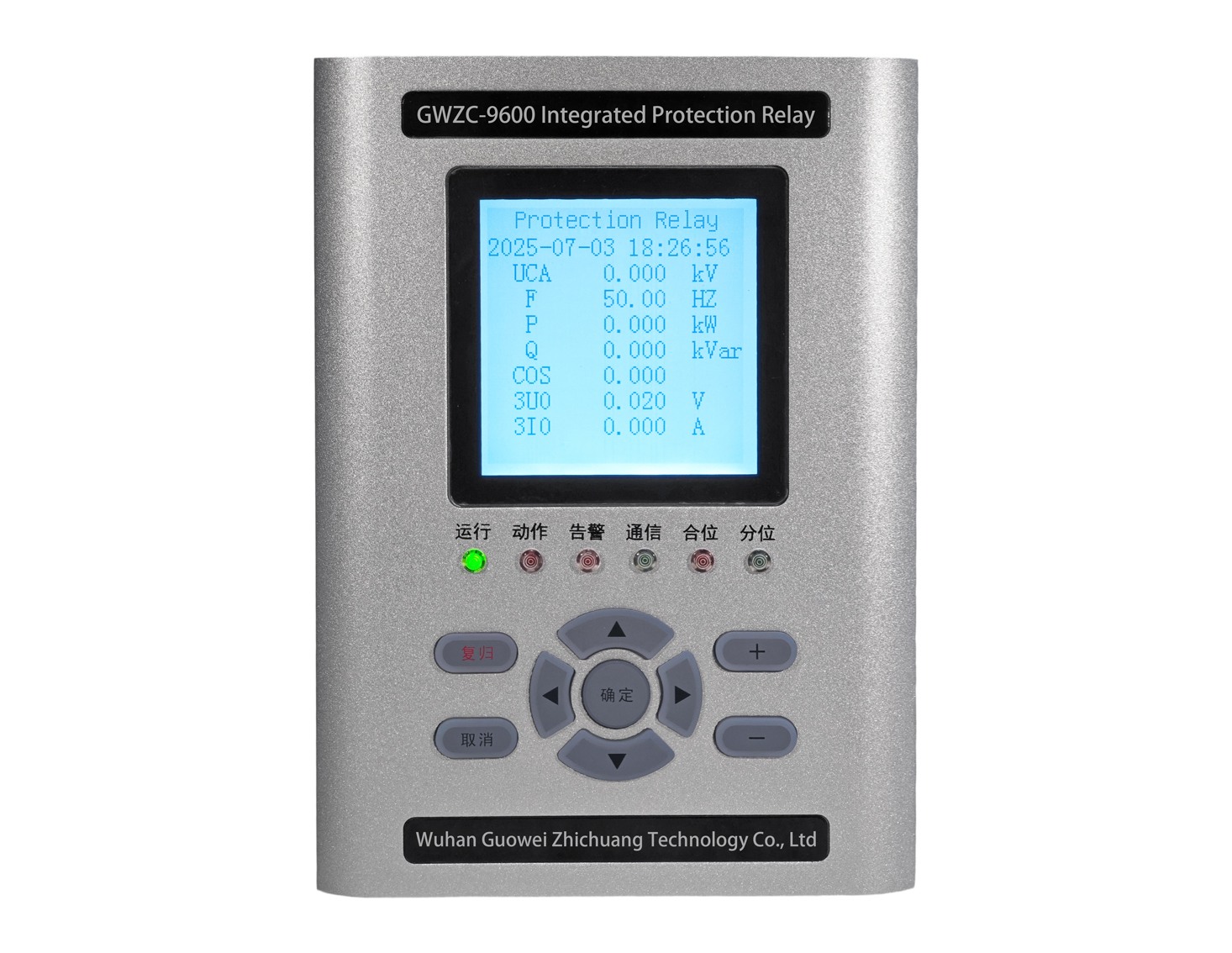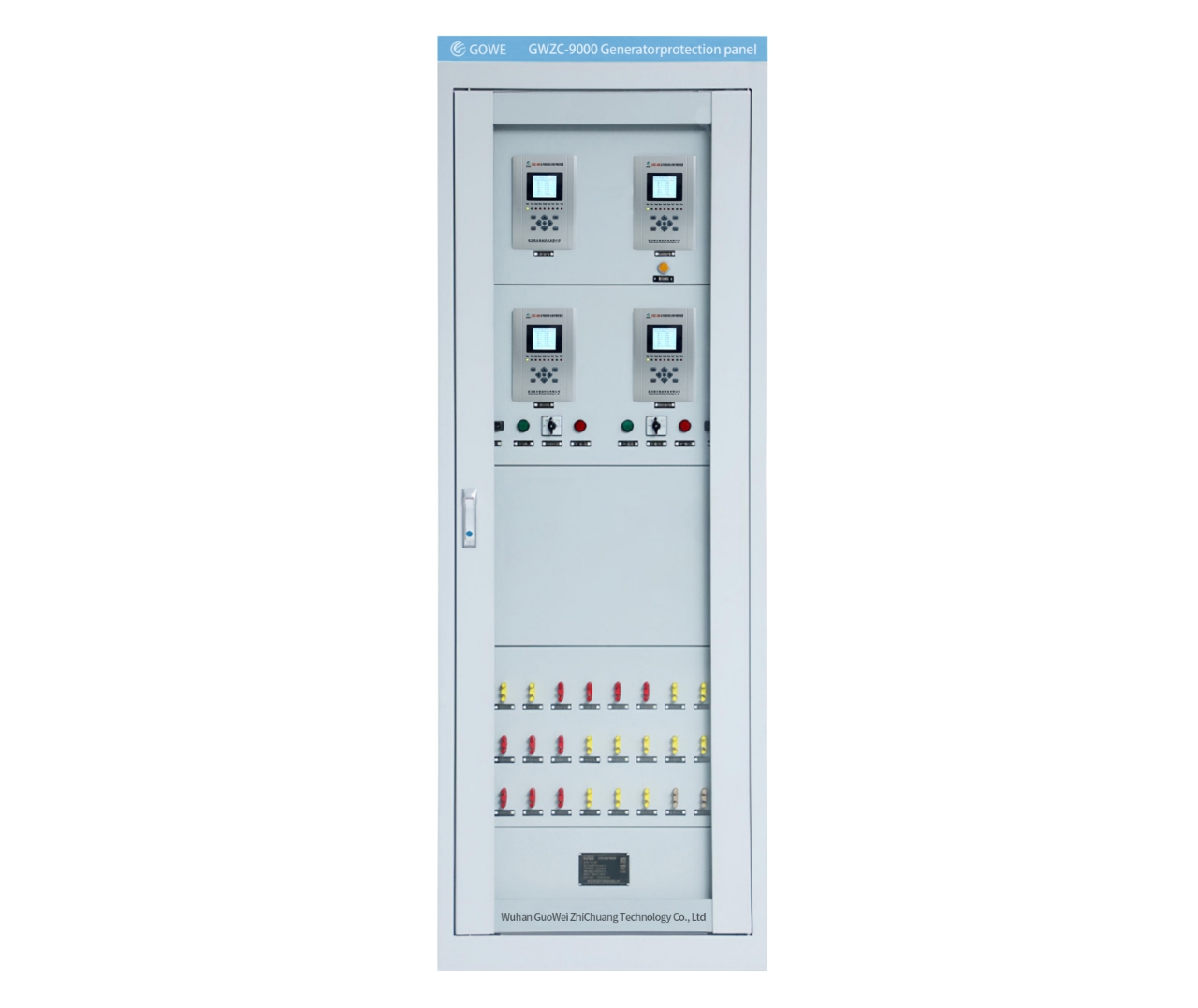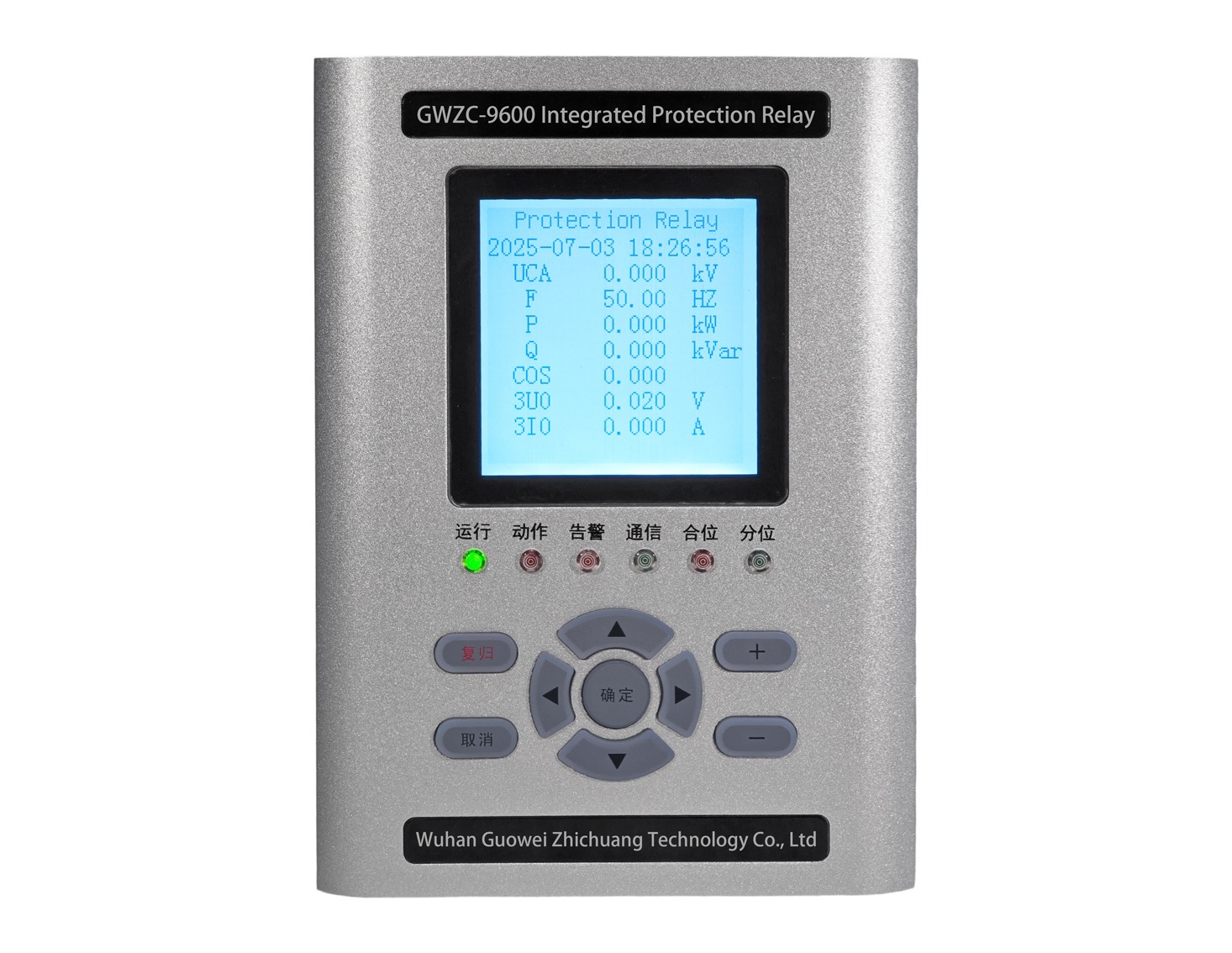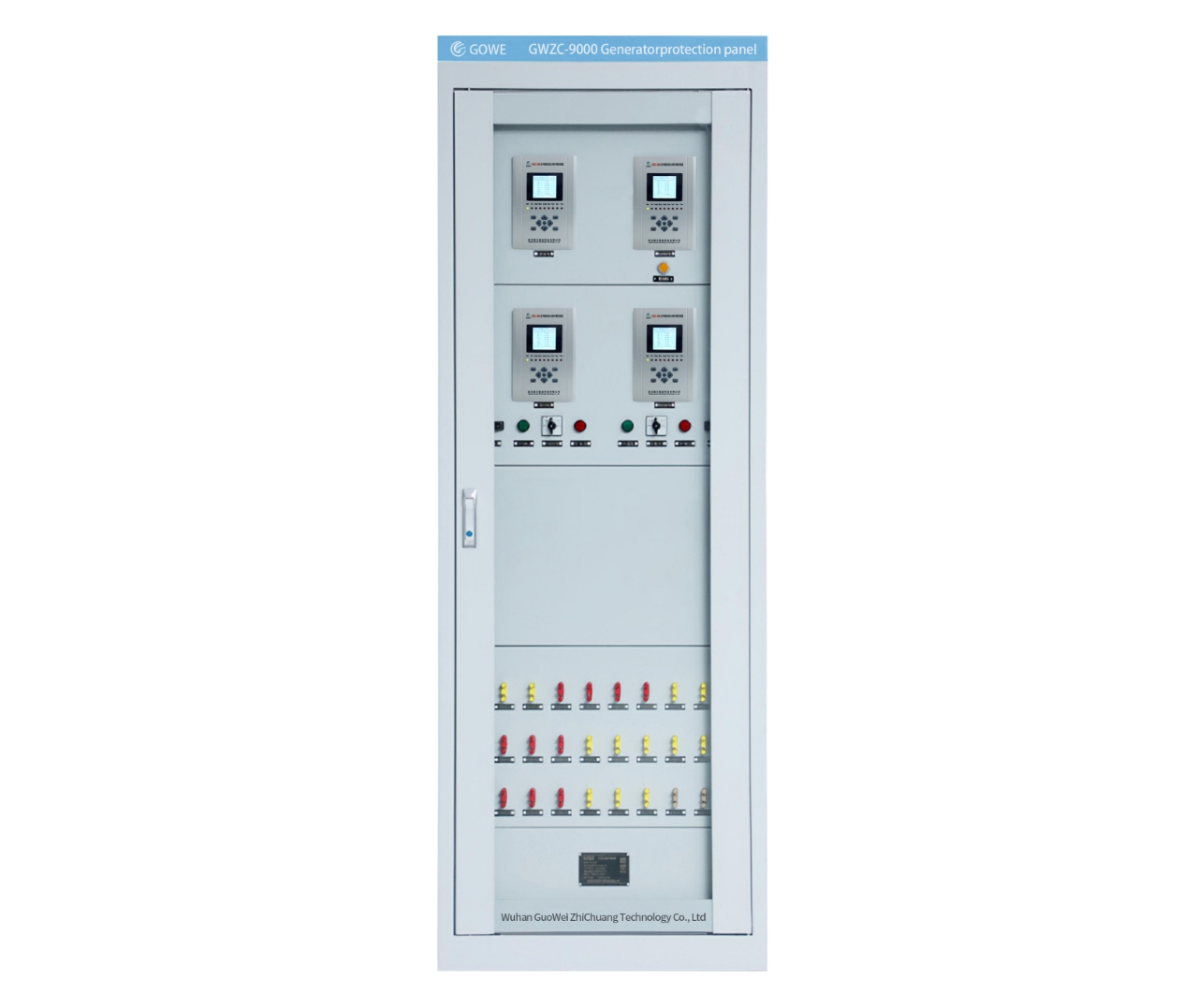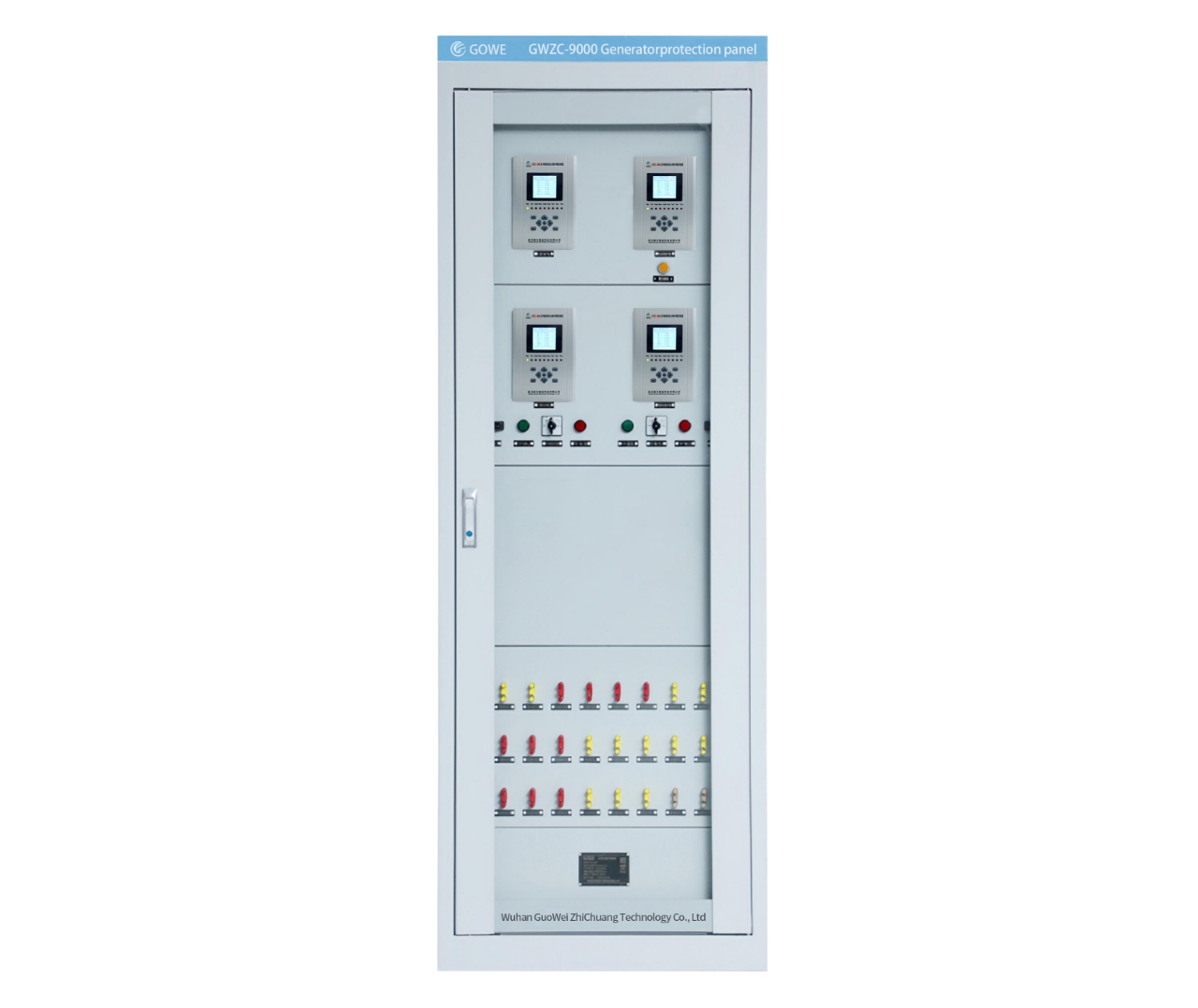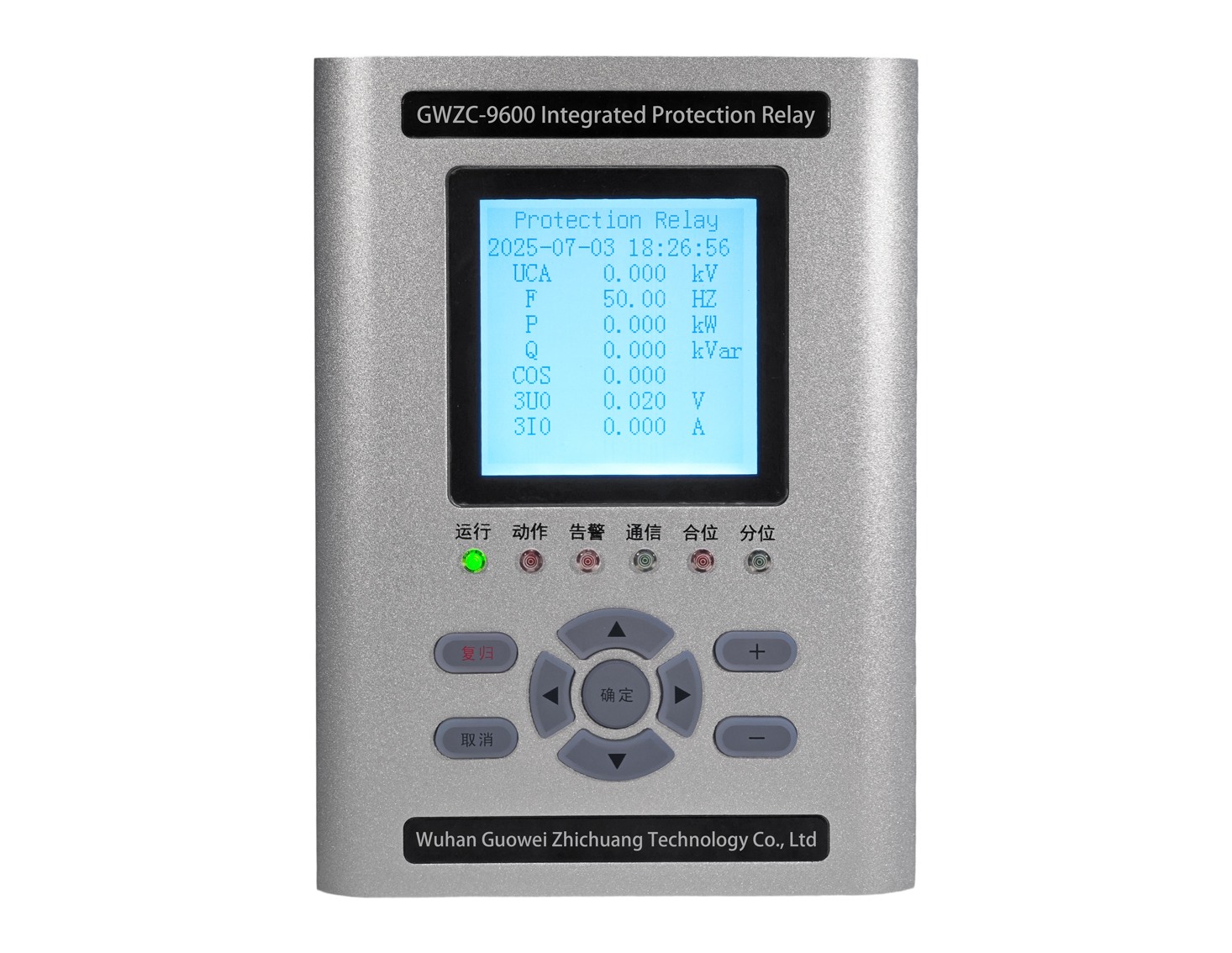


The core difference between phase-to-phase distance protection and ground distance protection lies in the selection of measured quantities, fault response range, and connection methods. They complement each other to form a complete distance protection system for high-voltage transmission lines, both following the basic principle: operation if the measured impedance is less than the setting impedance.
Key Principles & Application Notes
1.Measured Quantities & Connection Essence
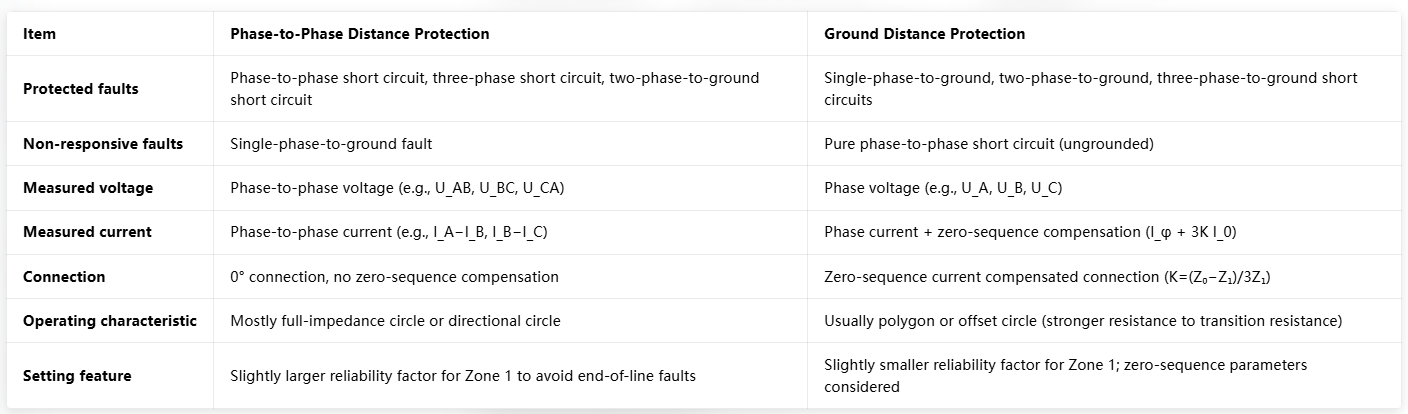
Phase-to-phase distance protection: Uses phase-to-phase voltage and current, directly reflects the positive-sequence impedance of the line without compensation. Suitable for symmetrical or phase-to-phase asymmetrical faults.
Ground distance protection: Uses phase voltage and compensated phase current. Zero-sequence compensation eliminates the influence of zero-sequence current during ground faults, so that the measured impedance accurately reflects the fault distance.
2.Complementary Fault Response
Two-phase-to-ground short circuit: Both protections operate, providing dual protection.
Three-phase short circuit: Both operate correctly, with phase-to-phase distance being more direct.
Pure phase-to-phase short circuit (e.g., AB phase): Only phase-to-phase distance protection operates.
Single-phase-to-ground fault (e.g., Phase A): Only ground distance protection operates.
3.Setting & Field Application
Setting principle: Both adopt a three-zone scheme. Zone 1 is the main protection of the local line (approx. 80%–85%), Zone 2 coordinates with the adjacent line, and Zone 3 acts as backup protection.
Field configuration: High-voltage (110 kV and above) lines are usually equipped with both to cover all short-circuit types. Low-voltage or isolated neutral systems may only be equipped with phase-to-phase distance protection.
Quick Summary
Phase-to-phase distance protection: Measures phase-to-phase quantities, covers phase-to-phase faults, no compensation, circular characteristics.
Ground distance protection: Measures phase quantities + compensation, covers ground faults, with zero-sequence compensation, polygonal characteristics.
The combination of the two realizes full short-circuit type protection for high-voltage transmission lines, a classic configuration in power system relay protection.