












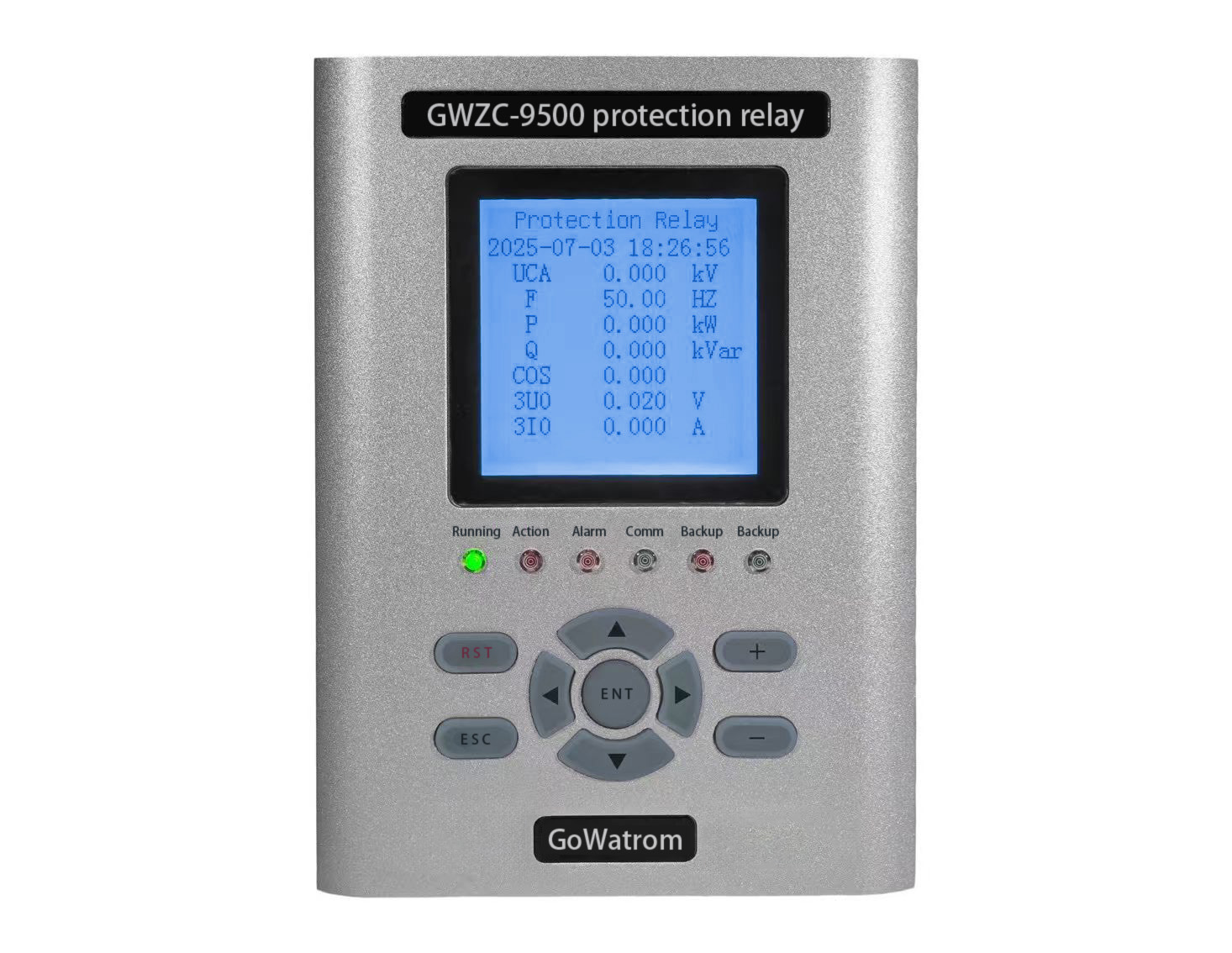
Capacitor Unbalance Voltage Protection: Working Principle, Function, and Setting Calculation
Capacitor Unbalance Voltage Protection is used to monitor the voltage distribution among individual units within a capacitor bank, particularly in series-connected banks. Its operating principle is based on Kirchhoff's Voltage Law and capacitor voltage division. Under normal operating conditions, the voltage across each unit in the bank is relatively balanced, resulting in a minimal unbalance voltage. When a capacitor unit fails (e.g., internal short circuit, open circuit, or performance degradation), the voltage distribution becomes unequal, generating a significant unbalance voltage.
2025/11/12
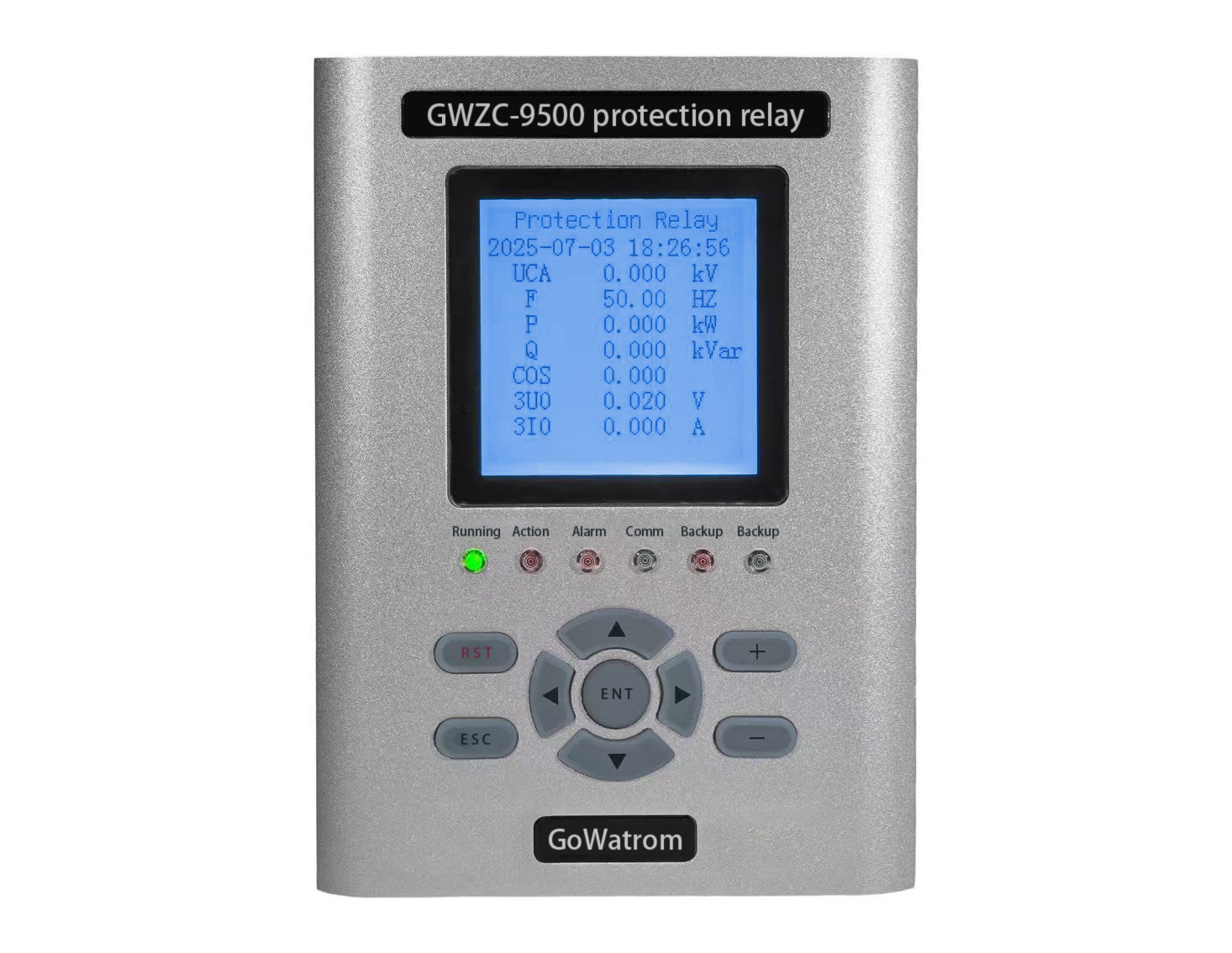
Capacitor Unbalanced Current Protection: Working Principle, Function, and Setting Calculation
Capacitor unbalanced current protection is a critical technology in power systems used to detect and protect against internal faults within capacitor banks. It operates by monitoring the changes in unbalanced current at the neutral point or bridge circuit of the capacitor bank, promptly isolating faults to prevent their escalation.
2025/11/05
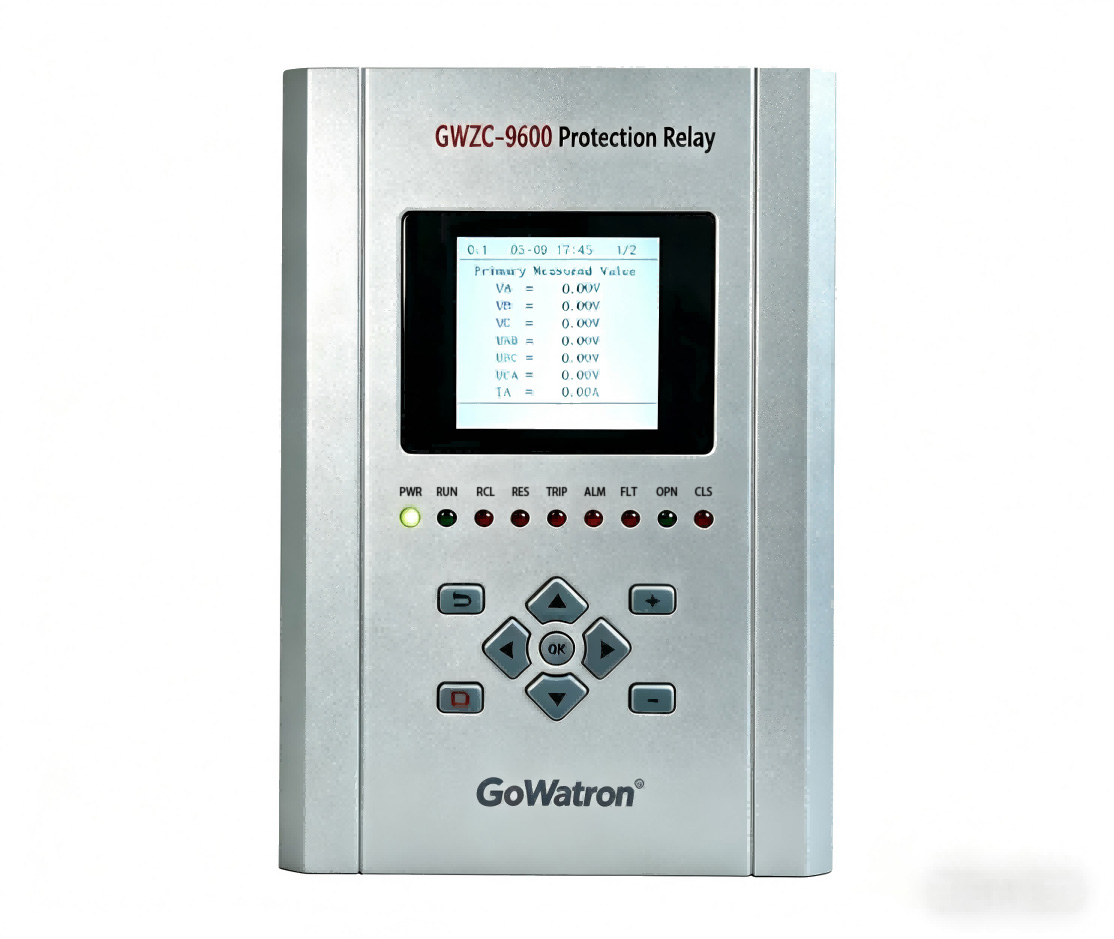
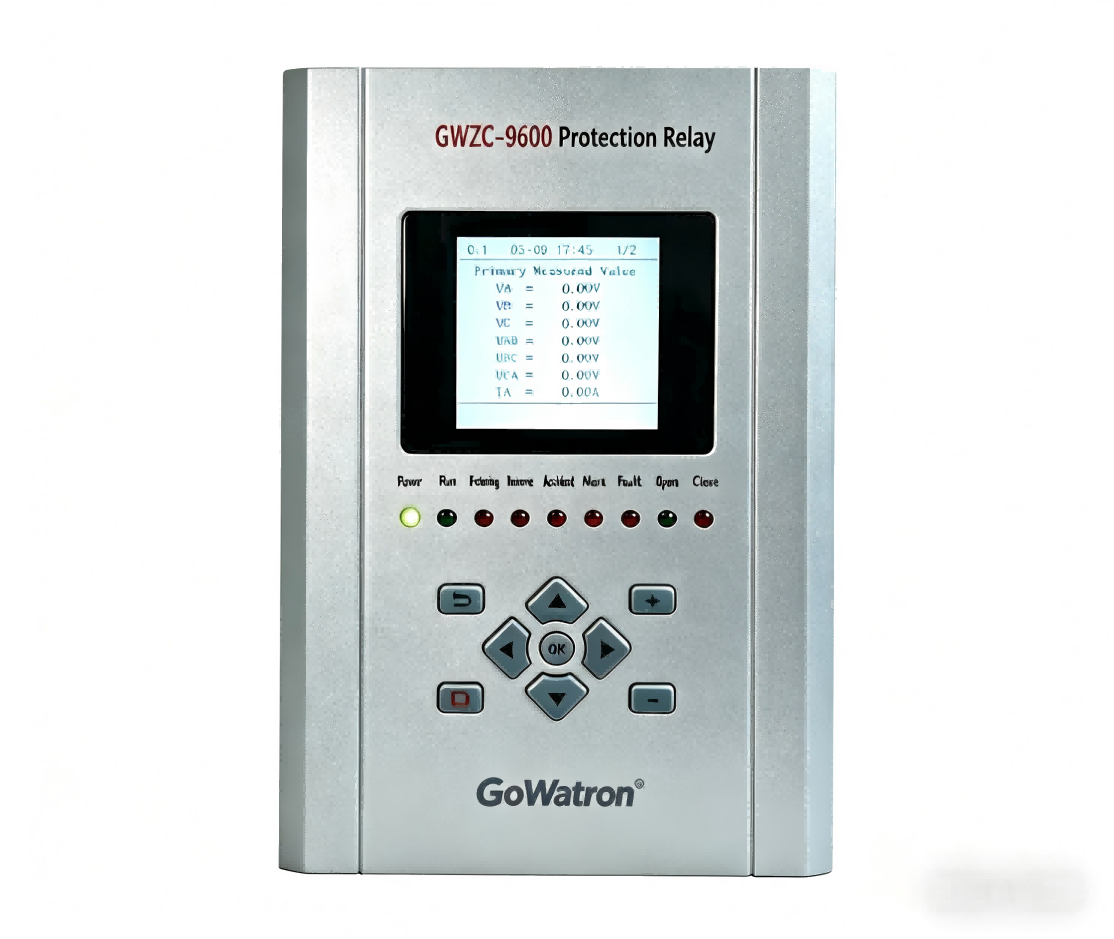
Differences Between Phase-to-Phase Distance Protection (21P) and Ground Distance Protection (21G)
The core difference between phase-to-phase distance protection and ground distance protection lies in the selection of measured quantities, fault response range, and connection methods. They complement each other to form a complete distance protection system for high-voltage transmission lines, both following the basic principle: operation if the measured impedance is less than the setting impedance.
2026/03/04